We caught up with our New York Optometrist, Dr Irene Byun, who shared her tips for maintaining (and improving) eye health and explained why regular eye exams are a necessity.
I have good vision, do I need to have an eye exam?
The short answer is… yes! Annual eye exams are important not just to keep the prescription current to avoid common symptoms like digital eyestrain, headaches, and eye fatigue but also to monitor eye health which is linked to the diagnosis/assessment of important systemic conditions. For example, early manifestations of systemic conditions such as diabetes and hypertension may be identified in the retina during a comprehensive dilated fundus examination. Ocular diseases such as glaucoma and macular degeneration have a predominant genetic component which is best to monitor annually as well.
Other common symptoms, such as dry eye, can be especially troublesome in today’s digital world, where many of us spend long hours in front of screens. Fortunately, these symptoms can be accurately assessed and effectively managed.
Why is eye health important?
At the core of almost every task that we do, our eyes are the first to intake the stimuli/information. Whether the task is for safely crossing 5th Avenue or seeing your favorite band at Madison Square Garden, the daily things that we do, even subconsciously, rely on our vision to provide the information that we need. Keeping this in mind, that is why an annual eye exam to ensure healthy eyes that see their best is one of the best things we can do for our bodies. By eliminating blur, eyestrain, and other common visual symptoms, an imbalance between our visual and brain processing pathways can be avoided. This can manifest in a variety of mild to severe symptoms that should be diagnosed and managed. As we continue to enjoy and experience more in our lifetime, we hope to prolong good health and happiness—our eyes should not be an exception.
![]()

What everyday things can I do to look after my eye health and vision?
Keep anything in contact with your eyes clean to avoid eye infections like pesky styes. That means…
- Washing your hands with soap and water anytime you are handling your contact lenses or touching anywhere around your eyes.
- Ensuring that you give your eyelids and lashes a gentle yet effective wash morning and night with a gentle face wash.
- Washing your pillowcase weekly.
Good Visual Hygiene
Whether we realize it or not, our eyes are working hard all day to maintain clear and single vision. The mechanisms of looking in the distance and reading up close are quite different and opposite. Tasks such as reading your kindle, responding to a text message, and threading a needle rely on your accommodation – the focusing system in the eye that requires a muscle called the ciliary muscle, to contract. Contrarily while watching a movie, looking at a bird in the sky, and reading a street sign that same muscle relaxes. This is where the 20/20/20 rules comes into play. It allows the accommodative system to periodically relax, which may help reduce symptoms of digital eyestrain and potentially slow the progression of myopia, particularly in younger individuals. The idea is that after every 20 minutes of near work, you take a 20 second break by looking at something 20 feet away. To simplify, just stare out of the window every half hour or so to allow your eyes to relax and not overload the system.
Blue Light Filter Glasses
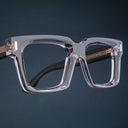
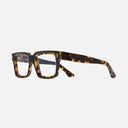
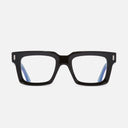
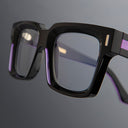
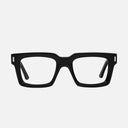
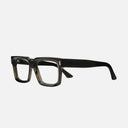
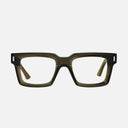
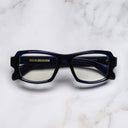
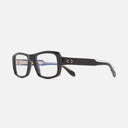
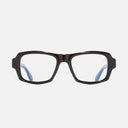
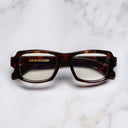
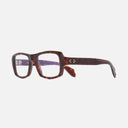
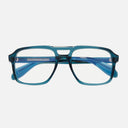
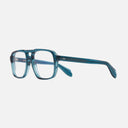
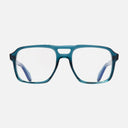
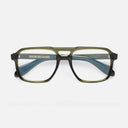
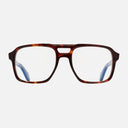
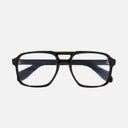
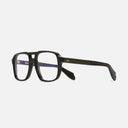
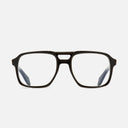
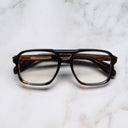
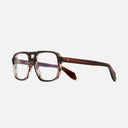
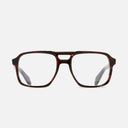
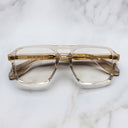
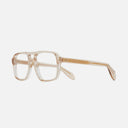
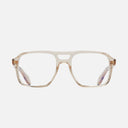
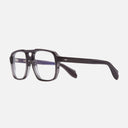
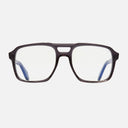
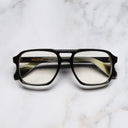
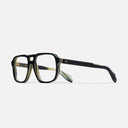
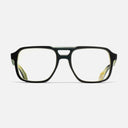
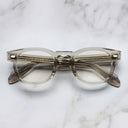
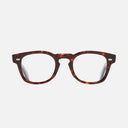
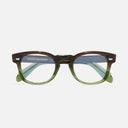
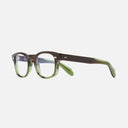
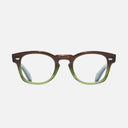
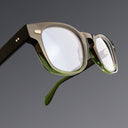
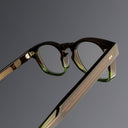
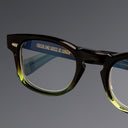
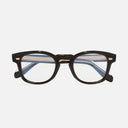
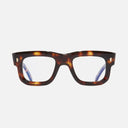
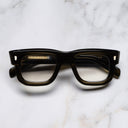
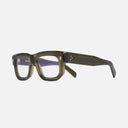
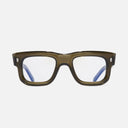
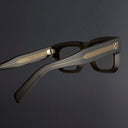
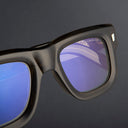
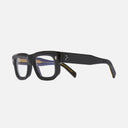
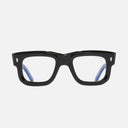
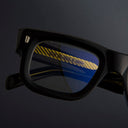
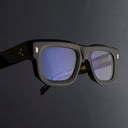
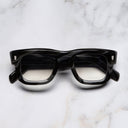
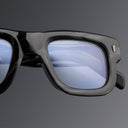
We are living in a digital world where most of our days begin and end with a bright screen. Blue blocking lenses are important for protection from digital devices like your phone and computer while reducing eyestrain/making your eyes more comfortable. It also avoids disruption of the circadian rhythm which is responsible for your sleeping cycle. Cutler and Gross can provide blue light filters on any frame, and have an online curation ready to wear.

Why should I come to Cutler and Gross for an eye exam?
At Cutler and Gross we strive to provide the best service to our clientele and a comprehensive eye exam is no exception. Your optometrist takes the time and careful attention to resolve and explain symptoms, concerns, and all testing procedures and results while utilizing the latest diagnostic technologies to ensure healthy eyes that see their best in your constantly changing environments. No matter what kind of prescription is needed for work or everyday life, your optometrist will make sure your glasses make it all feel effortless. A seamless one stop shop where you know you will receive superior eye care, the highest quality of acetate and metal frames, the newest technology in digital lenses, and exceptional styling from our friendly and knowledgeable team in the heart of New York City.
What happens during an eye exam, what should I expect?
As you enter the shop you will be greeted by a member of our team. A health and history questionnaire is filled out in order for your optometrist to streamline questions and learn more about how your glasses are used, if there are changes in the vision, and performing additional tests based on family history of ocular conditions such as glaucoma and macular degeneration. A few photos are taken of the surface and inside of eye with the latest technologies and a step by step refraction is performed. Your optometrist will walk you through your prescription: what the numbers mean, any significant changes from your last prescription, and recommend a type of lens that will work best for you. A thorough health exam is performed and the prescription will be digitally given to the patient for their records. Should a patient have interest or currently wear contact lenses, single vision with or without astigmatism and multi-focal contact lenses can be examined and fit.
Book an eye exam today, available at Cutler and Gross Knightsbridge, Cutler and Gross Spitalfields, Cutler and Gross Bath, Cutler and Gross New York stores.
Book An Eye Exam




















Your Vision, In Focus
We caught up with our New York Optometrist, Dr Irene Byun, who shared her tips for maintaining (and improving) eye health and explained why regular eye exams are a necessity.
I have good vision, do I need to have an eye exam?
The short answer is… yes! Annual eye exams are important not just to keep the prescription current to avoid common symptoms like digital eyestrain, headaches, and eye fatigue but also to monitor eye health which is linked to the diagnosis/assessment of important systemic conditions. For example, early manifestations of systemic conditions such as diabetes and hypertension may be identified in the retina during a comprehensive dilated fundus examination. Ocular diseases such as glaucoma and macular degeneration have a predominant genetic component which is best to monitor annually as well.
Other common symptoms, such as dry eye, can be especially troublesome in today’s digital world, where many of us spend long hours in front of screens. Fortunately, these symptoms can be accurately assessed and effectively managed.
Why is eye health important?
At the core of almost every task that we do, our eyes are the first to intake the stimuli/information. Whether the task is for safely crossing 5th Avenue or seeing your favorite band at Madison Square Garden, the daily things that we do, even subconsciously, rely on our vision to provide the information that we need. Keeping this in mind, that is why an annual eye exam to ensure healthy eyes that see their best is one of the best things we can do for our bodies. By eliminating blur, eyestrain, and other common visual symptoms, an imbalance between our visual and brain processing pathways can be avoided. This can manifest in a variety of mild to severe symptoms that should be diagnosed and managed. As we continue to enjoy and experience more in our lifetime, we hope to prolong good health and happiness—our eyes should not be an exception.
What everyday things can I do to look after my eye health and vision?
Keep anything in contact with your eyes clean to avoid eye infections like pesky styes. That means…
Good Visual Hygiene
Whether we realize it or not, our eyes are working hard all day to maintain clear and single vision. The mechanisms of looking in the distance and reading up close are quite different and opposite. Tasks such as reading your kindle, responding to a text message, and threading a needle rely on your accommodation – the focusing system in the eye that requires a muscle called the ciliary muscle, to contract. Contrarily while watching a movie, looking at a bird in the sky, and reading a street sign that same muscle relaxes. This is where the 20/20/20 rules comes into play. It allows the accommodative system to periodically relax, which may help reduce symptoms of digital eyestrain and potentially slow the progression of myopia, particularly in younger individuals. The idea is that after every 20 minutes of near work, you take a 20 second break by looking at something 20 feet away. To simplify, just stare out of the window every half hour or so to allow your eyes to relax and not overload the system.
Blue Light Filter Glasses
We are living in a digital world where most of our days begin and end with a bright screen. Blue blocking lenses are important for protection from digital devices like your phone and computer while reducing eyestrain/making your eyes more comfortable. It also avoids disruption of the circadian rhythm which is responsible for your sleeping cycle. Cutler and Gross can provide blue light filters on any frame, and have an online curation ready to wear.
Why should I come to Cutler and Gross for an eye exam?
At Cutler and Gross we strive to provide the best service to our clientele and a comprehensive eye exam is no exception. Your optometrist takes the time and careful attention to resolve and explain symptoms, concerns, and all testing procedures and results while utilizing the latest diagnostic technologies to ensure healthy eyes that see their best in your constantly changing environments. No matter what kind of prescription is needed for work or everyday life, your optometrist will make sure your glasses make it all feel effortless. A seamless one stop shop where you know you will receive superior eye care, the highest quality of acetate and metal frames, the newest technology in digital lenses, and exceptional styling from our friendly and knowledgeable team in the heart of New York City.
What happens during an eye exam, what should I expect?
As you enter the shop you will be greeted by a member of our team. A health and history questionnaire is filled out in order for your optometrist to streamline questions and learn more about how your glasses are used, if there are changes in the vision, and performing additional tests based on family history of ocular conditions such as glaucoma and macular degeneration. A few photos are taken of the surface and inside of eye with the latest technologies and a step by step refraction is performed. Your optometrist will walk you through your prescription: what the numbers mean, any significant changes from your last prescription, and recommend a type of lens that will work best for you. A thorough health exam is performed and the prescription will be digitally given to the patient for their records. Should a patient have interest or currently wear contact lenses, single vision with or without astigmatism and multi-focal contact lenses can be examined and fit.
Book an eye exam today, available at Cutler and Gross Knightsbridge, Cutler and Gross Spitalfields, Cutler and Gross Bath, Cutler and Gross New York stores.
Book An Eye Exam