Paintings by artist Rikard Wahl.
In an age dictated by speed, it’s important to remind ourselves to savour the hours and minutes, rather than simply watch them pass. Each day is grounded in the automated world—woken to the pointed chimes of alarms, screens, and our ever-growing digital to-do-lists.

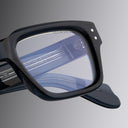
Painting by artist Rikard Wahl. Model wearing the Cutler and Gross 1432 Optical in Black.
Yet something is shifting in routines and we’re finding joy in the quiet rebellion against shortened time and attention spans. We're deliberately turning away from the scroll, the ping, and the perpetual need to be active and instead are embracing more leisurely forms of luxury. From the little pleasures of natural daylight, to the uncertainty of an unscheduled afternoon, the radical act of living one thing at a time and with purpose is growing.
Stillness and Fluidity
New York’s renowned Museum of Modern Art recently published that the average museumgoer spends roughly 30 seconds looking at an artwork before moving on to the next. While those fuelled by the instantaneity of online might find this a decent amount of time to spend taking in each piece, the term ‘Slow Looking’ has come into the spotlight in recent years. The concept has been around for time and has no direct pinpoint, but the thought behind it is quite simple. Slow looking is the encouragement and mindfulness of taking in what you’re looking at, in a broad sense of your surroundings, or more specifically art hanging on a wall. Many leading museums and galleries encourage visitors to spend roughly 5-10 minutes looking at each piece, absorbing the obvious and also the unspoken. While slow looking originally came about with inspiration from the art world, the practice itself can be used in day-to-day life, from the ways we read and react, to how we can find appreciation in the smaller details. Takeaway coffee suddenly turns to a mindful moment to pause, a quick lunch break becomes a peaceful walk in the natural afternoon glow, and skipping an evening film allows time to pick up a tactile hobby like painting, or reading.

Painting by artist Rikard Wahl. Model wearing the Cutler and Gross Knightsbridge 1971 Sunglass.
Digital and Analogue
With the act of slow looking, comes the lifestyle of slow living. We’re naturally a nostalgic type, longing for happiness found from past memories. In the present day, we're finding ourselves drawn towards acts from the past that keep us feeling this level of sentimental emotion.
The last decade has brought a rise in traditional acts. From trying our hands at 35mm film photography and photoautomat booths cropping up around cities, to the 16th consecutive year of vinyl LP sales in the growing in the UK to roughly 6 million per year. These small treasures of bygone years are bringing newfound joy to our routines. Hand-written letters, daily journaling, and arts like watercolour and oil painting show a similar side of the slower lifestyle, offering the chance to truly disconnect and find purpose in our time. Nothing can quite replicate the weight of a fountain pen in your hand, the labour of love it takes to flip a vinyl from one side to another, or the inability to remove a mistake on a painting. The inimitable charm of an analogue life cannot be lost.

Painting by artist Rikard Wahl. Model holding the Cutler and Gross 1432 Optical in Black and leather glasses cords, coming soon.
Finding Purpose in the Process
We’ve become experts at efficiency, always looking for the fastest way and the shortest route from point A to B. While in this pursuit of hyper productivity, we often find we’re neglecting the journey, or purpose in the process itself. Taking our time is not a flaw, but one of our simplest luxuries.
Painting is a fine example of this—a skill that takes time to master, and trust in the process. We’ve become accustomed to instantaneity, you can search for your favourite painting online and find images right at your fingertips, or shoot a spur-of-the-moment image on your phone or digital camera. Painting resists this, where the actual act itself takes time and patience. A canvas starts clear, with each stroke of a paintbrush gradually building a depth of colour, and each layer taking time to dry. Artists learn first-hand that haste can lead to accidents or invention, and slow consideration can lead to deliberate results.
In reclaiming hobbies like painting as ritual, we're learning to approach life differently. Taking each day with intention over instantaneity, depth over surface, and understanding that the most meaningful things in life take time.

Paintings by artist Rikard Wahl.
The Serpentine Collection
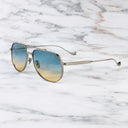
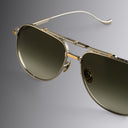
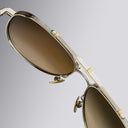
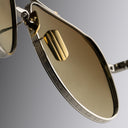
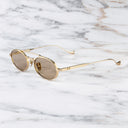
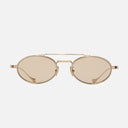
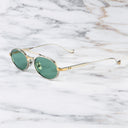
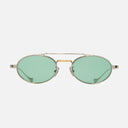
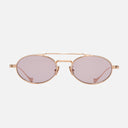
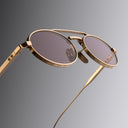
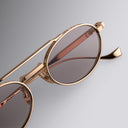
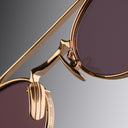
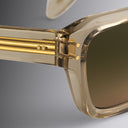
A juxtaposition between still and fluid, digital and analogue, city and sea. The Spring Summer 2026 Serpentine collection explores the profound elegance in living beautifully. One that brings together the serenity of slow and considered living with the enduring British heritage of Cutler and Gross.
Shop The Collection





























































The Lost Art of Analogue
Paintings by artist Rikard Wahl.
In an age dictated by speed, it’s important to remind ourselves to savour the hours and minutes, rather than simply watch them pass. Each day is grounded in the automated world—woken to the pointed chimes of alarms, screens, and our ever-growing digital to-do-lists.
Painting by artist Rikard Wahl. Model wearing the Cutler and Gross 1432 Optical in Black.
Yet something is shifting in routines and we’re finding joy in the quiet rebellion against shortened time and attention spans. We're deliberately turning away from the scroll, the ping, and the perpetual need to be active and instead are embracing more leisurely forms of luxury. From the little pleasures of natural daylight, to the uncertainty of an unscheduled afternoon, the radical act of living one thing at a time and with purpose is growing.
Stillness and Fluidity
New York’s renowned Museum of Modern Art recently published that the average museumgoer spends roughly 30 seconds looking at an artwork before moving on to the next. While those fuelled by the instantaneity of online might find this a decent amount of time to spend taking in each piece, the term ‘Slow Looking’ has come into the spotlight in recent years. The concept has been around for time and has no direct pinpoint, but the thought behind it is quite simple. Slow looking is the encouragement and mindfulness of taking in what you’re looking at, in a broad sense of your surroundings, or more specifically art hanging on a wall. Many leading museums and galleries encourage visitors to spend roughly 5-10 minutes looking at each piece, absorbing the obvious and also the unspoken. While slow looking originally came about with inspiration from the art world, the practice itself can be used in day-to-day life, from the ways we read and react, to how we can find appreciation in the smaller details. Takeaway coffee suddenly turns to a mindful moment to pause, a quick lunch break becomes a peaceful walk in the natural afternoon glow, and skipping an evening film allows time to pick up a tactile hobby like painting, or reading.
Painting by artist Rikard Wahl. Model wearing the Cutler and Gross Knightsbridge 1971 Sunglass.
Digital and Analogue
With the act of slow looking, comes the lifestyle of slow living. We’re naturally a nostalgic type, longing for happiness found from past memories. In the present day, we're finding ourselves drawn towards acts from the past that keep us feeling this level of sentimental emotion.
The last decade has brought a rise in traditional acts. From trying our hands at 35mm film photography and photoautomat booths cropping up around cities, to the 16th consecutive year of vinyl LP sales in the growing in the UK to roughly 6 million per year. These small treasures of bygone years are bringing newfound joy to our routines. Hand-written letters, daily journaling, and arts like watercolour and oil painting show a similar side of the slower lifestyle, offering the chance to truly disconnect and find purpose in our time. Nothing can quite replicate the weight of a fountain pen in your hand, the labour of love it takes to flip a vinyl from one side to another, or the inability to remove a mistake on a painting. The inimitable charm of an analogue life cannot be lost.
Painting by artist Rikard Wahl. Model holding the Cutler and Gross 1432 Optical in Black and leather glasses cords, coming soon.
Finding Purpose in the Process
We’ve become experts at efficiency, always looking for the fastest way and the shortest route from point A to B. While in this pursuit of hyper productivity, we often find we’re neglecting the journey, or purpose in the process itself. Taking our time is not a flaw, but one of our simplest luxuries.
Painting is a fine example of this—a skill that takes time to master, and trust in the process. We’ve become accustomed to instantaneity, you can search for your favourite painting online and find images right at your fingertips, or shoot a spur-of-the-moment image on your phone or digital camera. Painting resists this, where the actual act itself takes time and patience. A canvas starts clear, with each stroke of a paintbrush gradually building a depth of colour, and each layer taking time to dry. Artists learn first-hand that haste can lead to accidents or invention, and slow consideration can lead to deliberate results.
In reclaiming hobbies like painting as ritual, we're learning to approach life differently. Taking each day with intention over instantaneity, depth over surface, and understanding that the most meaningful things in life take time.
Paintings by artist Rikard Wahl.
The Serpentine Collection
A juxtaposition between still and fluid, digital and analogue, city and sea. The Spring Summer 2026 Serpentine collection explores the profound elegance in living beautifully. One that brings together the serenity of slow and considered living with the enduring British heritage of Cutler and Gross.
Shop The Collection